Why I Keep My Photography Workshops Small, Local, and Focused on Learning
One question I get asked quite often is why I don’t host photography workshops in exotic locations. Why don’t I organize trips to national parks, foreign countries, or some far-off corner of the world where the scenery looks like something straight out of a magazine?
It’s a fair question. Especially considering how much of my own photography has taken me to some pretty incredible places over the years.
I see photographers advertising workshops in Antarctica, Ireland, Scotland, the Faroe Islands, Patagonia, and just about everywhere else you can imagine. Some of these trips cost thousands of dollars, and that’s before you start adding up airfare, lodging, meals, and everything else. By the time you’re done, you might need to sell a kidney just to afford the memory cards.
Now, before somebody gets their feathers ruffled, let me make something clear. I’m not knocking these trips or the photographers who host them. I think they’re great. I’ve actually hosted a few destination workshops myself. I understand the appeal. Who wouldn’t want to spend a week photographing incredible landscapes, wildlife, and places most people only dream about visiting?
But here’s where my thinking starts to differ.
I’ve been on both sides of these workshops, and something I noticed when I hosted destination trips bothered me. Somewhere between the travel, the excitement, the big groups, the sightseeing, and everybody trying to get that once-in-a-lifetime photograph, the actual photography instruction started getting lost.
And I found myself wondering, how much are people really learning?
I’m not saying there isn’t instruction happening. I’m sure there is. But there’s a big difference between taking someone to a beautiful location and actually teaching them how to become a better photographer.
Let’s face it. You can take someone who barely understands their camera, stand them in front of the Grand Tetons at sunrise, and they’re probably going to come home with a few pretty pictures. The mountains are doing a lot of the heavy lifting.
But did they learn anything? Do they understand why that photograph worked? Could they take what they learned and make a great photograph of something ordinary back home?
That’s the part that matters to me.
Another thing that gets overlooked is the cost.
Think about the person who’s just getting started in photography. Maybe they’ve spent months, sometimes longer, saving their money to buy a decent camera and a lens or two. They’re excited. They want to learn. They’re trying to figure out aperture, shutter speed, ISO, composition, and why half their photographs look like they were taken through a dirty windshield.
We’ve all been there.
Now imagine telling that person the best way to learn is to spend another five or ten thousand dollars traveling halfway around the world.
That’s simply not realistic for most people.
And quite frankly, it shouldn’t be necessary.
A lot of these expensive destination workshops seem better suited for photographers who already have a pretty good understanding of their equipment. People who want to get together, travel someplace incredible, and spend their days photographing beautiful locations.
And there’s absolutely nothing wrong with that. I’d enjoy doing it myself.
But let’s call it what it is. In many cases, it’s more of a photography adventure than a workshop designed to teach someone the fundamentals.
For me, a photography workshop should be about learning photography.
Learning your camera. Understanding your settings. Working with light. Learning composition. Trying different techniques. Figuring out what works, what doesn’t, and why.
It’s about making mistakes, asking questions, adjusting your settings, and shooting again. And again. And probably another fifty times until something finally clicks.
I believe you learn more by spending an afternoon with a small group of people who are genuinely interested in understanding photography than you do standing shoulder to shoulder with twenty other photographers fighting over the same tripod spot in some exotic location.
And here’s something else I’ve learned after all these years behind a camera.
You don’t need spectacular scenery to learn how to make a spectacular photograph.
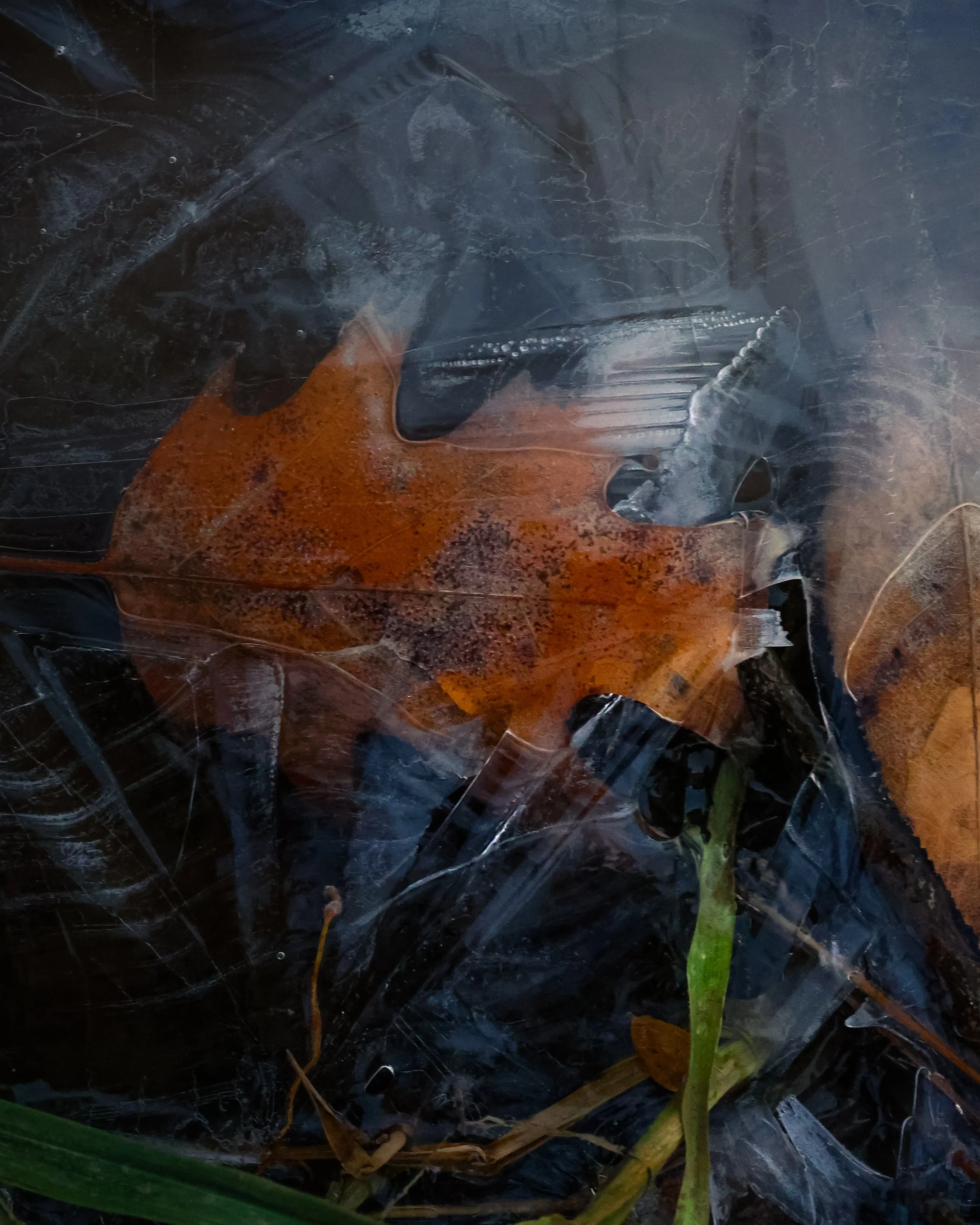
You can learn photography in a local park, along a creek, in a small town, beside an old barn, or walking through the woods behind your house. Some of the best lessons I’ve ever learned came from photographing places most people would drive right past without giving them a second thought.
Good photography isn’t always about what’s in front of you. It’s about how you see it.
That’s something I want people to understand.
I also believe workshops should help people discover their own shooting style. Not mine. Not the photographer they follow on Instagram. Their own.
What subjects interest them? What kind of light catches their eye? What lenses fit the way they shoot? What equipment do they actually need?
Because here’s another little secret. You don’t need every expensive piece of equipment advertised on the internet to become a good photographer.
I’ve seen people carrying enough camera gear to outfit a small television station who still couldn’t figure out why their photographs were blurry.
More gear doesn’t automatically mean better photographs. It just means your back is going to hurt a little more at the end of the day.
And that’s another reason I prefer small groups. I can actually spend time with people. I can look at what they’re doing, answer questions, help them understand their mistakes, and work with them individually.
I don’t want someone standing in the back of a crowd, afraid to ask a question because everybody else seems to know what they’re doing.
There are no stupid questions when you’re learning photography. Believe me, I’ve made enough stupid mistakes over the years to write a book. Probably a pretty thick one.
But there’s also something about expensive destination workshops that genuinely bothers me.
I’ve seen people spend a small fortune on a camera, lenses, airfare, lodging, and a workshop in some incredible location, only to come home disappointed with their photographs.
They expected those once-in-a-lifetime images. Instead, they came home with photographs that weren’t much different from what they could have taken with their phone.
And that’s not a knock on the person or their abilities. They simply weren’t ready. They hadn’t developed the foundation they needed to make the most of that opportunity.
Think about how discouraging that would be.
You’ve spent all that money. You’ve traveled thousands of miles. You’ve stood in places you’ve dreamed about seeing your entire life. And when you get home and look at your photographs, they’re nothing like what you imagined.
I’ve seen that disappointment turn into frustration. And I’ve seen that frustration lead people to put their cameras away and eventually give up on photography altogether.
That’s a damn shame.
Because maybe all that person really needed was someone to spend a few afternoons teaching them how to use the equipment they already owned.
My philosophy is pretty simple.
Learn your camera first. Learn to see light. Learn composition. Learn what works for you. Build a solid foundation.
Then, when you’re comfortable with your equipment and confident in your abilities, go chase those incredible destinations.
Go to Patagonia. Go to Scotland. Go photograph the wolves in Yellowstone or the mountains in Glacier. Go wherever your heart takes you.
And when you get there, you’ll spend less time fighting with your camera and more time doing what you traveled all that way to do.
Making photographs.
Now, don’t misunderstand me. Photography is something we never stop learning. I’ve spent years and years behind a camera, traveled thousands of miles, and made more photographs than I could ever count. And I’m still learning. I hope I never stop.
But there’s a difference between continuing to learn and trying to build a house without a foundation.
That’s why I keep my workshops small and local.
Sometimes they’re held in places close to home. Other times, if I’m traveling somewhere for my own photography work, I might set aside an afternoon to work with a handful of people in that area.
I generally don’t advertise those months in advance or build some elaborate travel package around them. I keep things simple, personal, and focused on the people who actually want to learn.
I want people to leave understanding something they didn’t understand when they arrived. I want them to feel more comfortable with their cameras. I want them to see the world a little differently through the viewfinder.
And most importantly, I want them to leave excited to go out and photograph something on their own.
Not because they’re standing in front of a famous mountain or halfway around the world.
But because they finally understand how to make the photograph they see in their head.
Maybe someday I’ll host another destination workshop. I’m certainly not ruling it out. But if I do, I’ll be clear about what it is, who it’s for, and what people should expect.
Until then, I’m perfectly happy spending an afternoon in a local park, an old downtown, or along some forgotten backroad helping a handful of people become better photographers.
No fancy resorts. No elaborate itineraries. No five-thousand-dollar price tag.
Just cameras, questions, a little patience, probably some bad jokes, and a whole lot of shooting.
Because at the end of the day, I’d rather teach someone how to make a great photograph in their own backyard than take them halfway around the world and hope they get lucky.
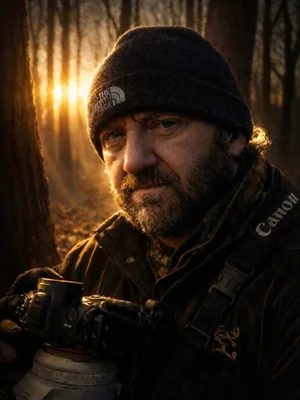
I’m a photographer. I love to teach photography.
I’m not a travel guide.
And if you really want to see the world, learn how to use that camera first.
Trust me. You’ll enjoy the trip a hell of a lot more.